
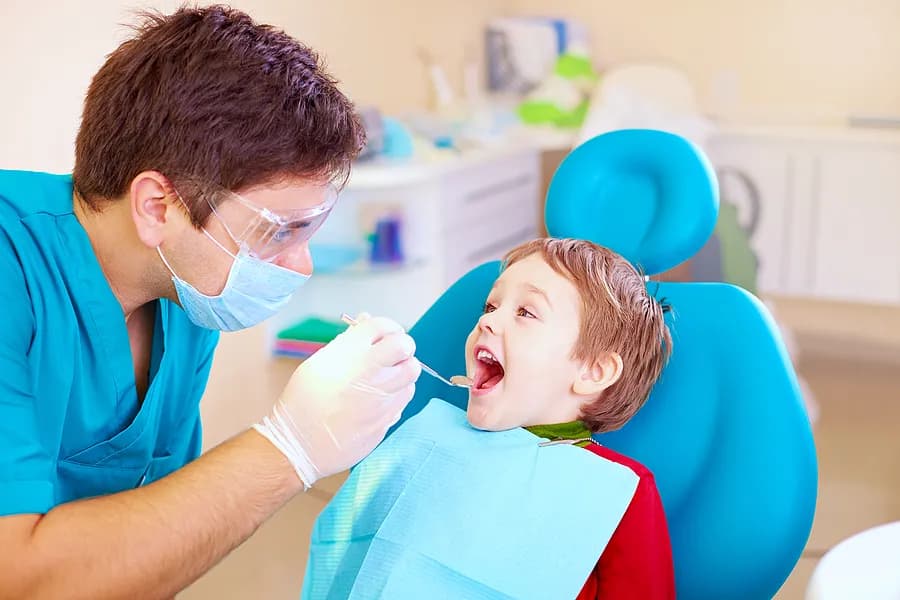
Healthy smiles start in toddlerhood. Practical tips for parents on brushing, choosing the right products, smart snacking, first dental visits, and easing dentist-day nerves.
Among all the things parents track, from vaccines to vegetables, dental care has a way of sliding down the list. That is a costly oversight: roughly one in five children between ages 2 and 5 already has untreated tooth decay. For busy New York City families juggling school, activities, and everything else, carving out time for pediatric dental care takes intention, but it does not have to be a struggle. With a few good strategies, you can turn tooth care into something your child actually enjoys.
What Goes Wrong with Kids' Teeth, and Why
Cavities lead the list of childhood dental problems by a wide margin. The recipe is familiar: frequent sweets plus inconsistent brushing equals plaque, and plaque left in place becomes decay.
Losing baby teeth too early is another concern, whether from a playground accident or a cavity that went untreated. Baby teeth hold space for adult teeth, so premature loss can throw off how permanent teeth come in.
Bite and alignment problems show up often too, frequently traced to extended thumb-sucking or pacifier use beyond the toddler years.
Even gum disease can appear in children when hygiene slips; gums that bleed or persistent bad breath are signals worth acting on.
Knowing what to watch for gives parents a genuine head start on prevention.
Starting Hygiene Habits from the First Tooth
The earlier oral care begins, the more natural it feels to your child.
Turn brushing into playtime: bright-colored brushes, silly songs, and a little theater go a long way with small kids.
Begin the moment that first tooth breaks through. Starting early builds comfort with the routine before resistance ever develops.
Brush side by side whenever possible. Children are natural imitators, and watching you demonstrates proper technique better than instructions ever could; show them soft circular strokes across every tooth surface.
Add flossing early as well, even with just a handful of teeth, since plaque loves the tight spaces in between.
And talk about the why. Storybooks featuring characters who take care of their teeth make the message land in a way kids remember.
Picking the Right Brush and Toothpaste
The toothbrush itself matters more than parents realize. Go with soft bristles in a child-specific design, gentle enough for developing gums but still effective.
Get the size right, too: a brush scaled for small hands and small mouths makes brushing feel doable instead of frustrating.
For toothpaste, choose a children's fluoride formula in a flavor your child likes. Strawberry, bubblegum, whatever gets them to the sink willingly counts as a win.
Read the label for age guidance to confirm the product matches your child's stage.
Swap in a new brush every three months, or sooner once bristles splay. A fresh brush cleans better and keeps the routine feeling new.
Food Choices That Protect Young Teeth
What your child eats shapes their dental health as much as how they brush. Calcium-rich foods like yogurt and cheese build strong enamel, while crisp produce such as apples and carrots scrubs teeth as kids chew.
Frequent sugar exposure is the enemy; cutting back on candy and sweet drinks dramatically lowers cavity risk. Nuts, cheese sticks, and whole-grain crackers make satisfying substitutes.
Water deserves special mention: sipping it through the day rinses away food debris and the bacteria behind plaque. Make it the default drink.
Vitamin C keeps gums healthy, so citrus and leafy greens earn their spot on the plate as well.
Good eating habits formed now protect teeth for decades.
When Your Child Should See the Dentist
That first dental appointment matters more than most parents realize. The American Academy of Pediatric Dentistry advises a first visit by the first birthday, or whenever the first tooth arrives, whichever comes sooner. Starting early gives your child a consistent dental home.
From there, routine checkups let the dentist follow development closely, catching cavities while they are tiny and flagging alignment concerns before they compound.
The visits serve an emotional purpose too: a child who knows the office, the chair, and the team walks in relaxed instead of afraid.
Professional cleanings round out the picture, removing buildup that home brushing cannot, and each successful appointment reinforces the idea that dental care is simply part of a healthy life.
When Your Child Is Scared of the Dentist
Dental anxiety in kids is completely normal. New places, odd instruments, and strangers in masks add up. How you respond makes all the difference.
Explain ahead of time what will happen, in plain and reassuring words. Stories about other kids' good dentist experiences help shrink the fear.
Hand over some control where you can: letting your child pick their own toothbrush and toothpaste turns dental care into their project, not just yours.
Rehearse at home, keeping it light with brushing songs or game-based apps that teach technique.
If resistance persists, avoid turning it into a battle. Step back, give it time, and keep gently returning to conversations about why healthy teeth matter for the whole family.
Conclusion
Your child's dental health is woven into their overall health, and the habits you help them build now will serve them for life. Parents are the essential guides here, modeling good brushing and keeping dental visits on the calendar.
Understanding the common pitfalls, from early cavities to bite problems, lets you prevent most of them outright. The right kid-sized brush and appealing toothpaste turn a chore into a routine your child accepts, even enjoys.
Food matters just as much: nutrient-rich meals and limited sugar protect teeth and whole-body health together. And regular pediatric checkups remain the best insurance, catching small issues long before they grow.
If fear of the dentist crops up, patience and openness will wear it down over time, especially when dental care at home stays playful.
The effort you invest in these routines today buys your child something priceless: a healthy, confident smile and the habits to keep it that way as they grow.