
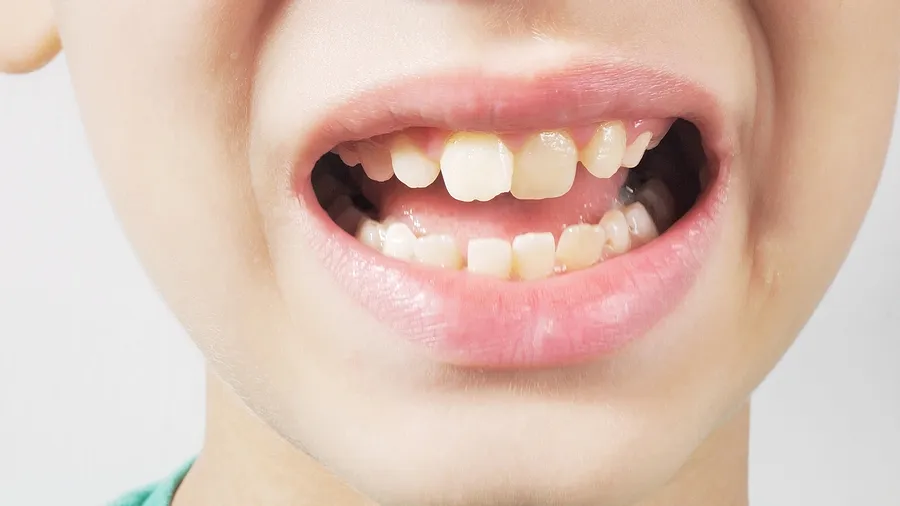
Most dental emergencies are avoidable. Learn the habits that prevent them, plus exactly what to do for a knocked-out tooth, a bad toothache, or a broken crown.
Where Dental Emergencies Come From
Most dental emergencies grow out of ordinary moments no one saw coming. A blow to the mouth during a game, a fall, or a car accident can chip, crack, or completely dislodge a tooth in an instant, and those injuries need attention right away.
Decay is the slower villain: a cavity ignored long enough works its way toward the nerve, ending in serious pain or an abscess. Skimping on brushing and flossing gives bacteria free rein to do that damage. Then there are the self-inflicted risks: crunching ice or popcorn kernels, gnawing on pens, opening packages with your teeth, and nighttime grinding (bruxism) all put fillings and enamel in harm's way.
Knowing these triggers is half the battle. Solid hygiene and sensible protection during physical activity eliminate most of the risk.
Habits That Keep You Out of the Emergency Chair
Stay disciplined about the basics: brush morning and night, floss once a day, and choose fluoride toothpaste and rinse to keep enamel strong and resistant.
Think before you bite. Hard objects can crack teeth, and a diet heavy in sugar and acid softens enamel and invites cavities. If you play sports, a mouthguard is cheap insurance against a very expensive injury.
And keep your checkup appointments. A dentist can spot the beginnings of decay or gum trouble long before they turn into a weekend emergency, which is exactly the point of preventive care.
Building a Healthy Baseline
Strong teeth start with daily routine. Brush twice a day with fluoride toothpaste and floss to clean the tight spots no brush can reach.
What you eat matters too: fruits, vegetables, lean proteins, and low-fat dairy all support healthy teeth and gums, while frequent sugary snacks and drinks feed decay. Water is your ally throughout the day, rinsing away food debris and bacteria.
Round it out with professional cleanings and exams on a regular schedule; they maintain your baseline and flag early warning signs.
Why Checkups Are Your Best Insurance
Routine visits exist to find problems while they are still trivial. At each appointment your dentist inspects teeth and gums for cavities, periodontal changes, and anything else developing quietly.
The professional cleaning strips away plaque and tartar that daily brushing leaves behind, cutting off decay and gum disease at the source. You also get personalized coaching on technique and any treatments suited to your situation.
Two visits a year is the standard rhythm, and it is far easier to prevent an emergency than to endure one.
First Aid When Something Goes Wrong
Chipped or fractured tooth: rinse your mouth with warm water, press a cold compress against your face to limit swelling, and hold onto any fragments you can find.
Tooth knocked completely out: pick it up by the chewing surface, never the root, and rinse it gently, leaving any attached tissue alone. If you can, ease it back into its socket; otherwise keep it in milk or your own saliva on the way to the dentist.
Serious toothache: floss carefully in case trapped food is the cause, and take an over-the-counter pain reliever. Never press aspirin against the gum itself. For cuts inside the mouth, rinse with warm water and control bleeding with gauze pressure.
When It Happens: Your Action Plan
For an avulsed tooth, grip it only by the crown, rinse off debris without scrubbing, and keep it moist in milk while you head straight for care. For cracks and chips, warm-water rinses and a cold compress buy you time. For intense pain, gentle flossing and oral pain relievers help, but keep aspirin off your gums.
If a filling or crown pops loose, a dab of over-the-counter dental cement can protect the tooth for a day or two. Whatever the situation, call your dental office right away; prompt professional guidance is the single most important step in any dental emergency.