
Healing well after a root canal starts with the right habits. Get practical recovery tips, food guidance, and long-term care advice to help your treated tooth last for years.
Why Root Canals Are Performed
When decay or infection reaches the soft tissue inside a tooth, the result is often severe pain and, if left alone, an abscess. Root canal therapy solves this by taking out the damaged pulp, which relieves the ache and stops the problem from getting worse. Cleaning bacteria and debris out of the tooth's interior gives it a genuine chance to heal.
The empty canal is then sealed with a biocompatible filling so nothing can reinfect the space. The tooth keeps doing its job, you keep your natural smile, and you avoid the more drastic route of having the tooth pulled.
During and Immediately After Treatment
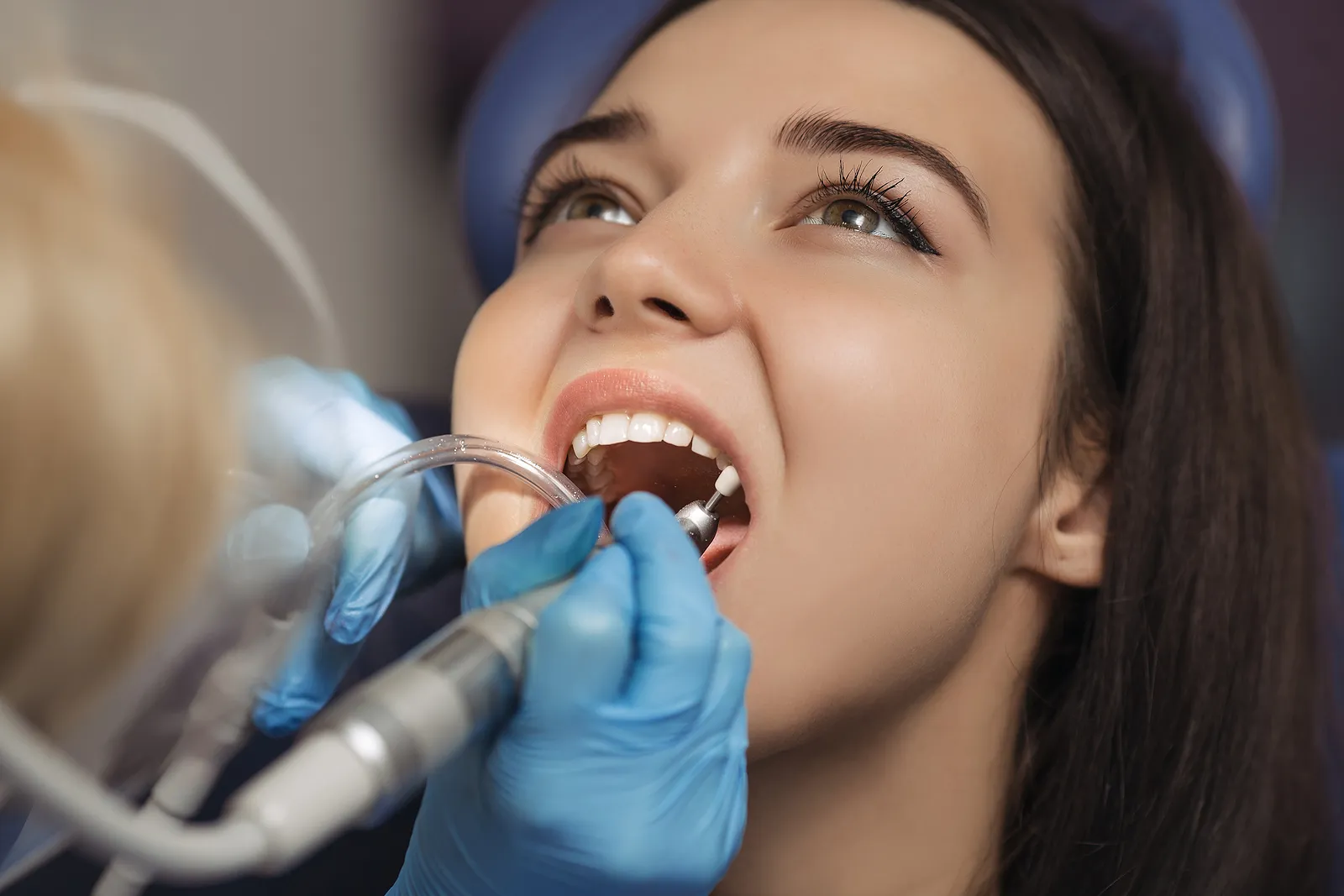
Most root canal appointments run about one to two hours. Your dentist starts by thoroughly numbing the tooth and surrounding gum so you stay comfortable. A small access opening is then made in the top of the tooth, and fine instruments clear the infected pulp from the canals. Each canal is cleaned, shaped, and disinfected before being sealed.
As the anesthetic wears off, some tenderness or slight swelling is common. A treated tooth may also feel sensitive for several days; this is a normal part of healing and nothing to worry about.
Recovery Basics
- Plan on a couple of quiet days after your appointment and skip hard workouts while your body heals
- Take pain relievers exactly as your dentist recommends, and hold a cold compress against your cheek if swelling bothers you
- Drink lukewarm fluids rather than very hot or icy ones, which can aggravate a sensitive tooth
- Save hard, crunchy foods for later; until your dentist gives the go-ahead, choose soft choices such as smoothies, yogurt, or mashed potatoes
- Brush gently so the area stays clean without getting irritated
Eating and Oral Care While You Heal
In the first several days, build meals around soft foods that put little pressure on the tooth. Skip anything sticky or crunchy, like chewy candy or chips, that could disturb the fresh restoration.
Keep drinks lukewarm to avoid triggering sensitivity, and brush twice daily with a soft-bristled brush, easing off around the treated spot until it settles down.
A warm saltwater rinse after meals is a simple extra step that helps calm inflammation and keeps the area clean while it mends.
Protecting Your Treated Tooth for the Long Haul
Come in for checkups and cleanings every six months so small issues get caught before they become big ones. Daily habits matter too: brush morning and night, floss once a day, and consider adding an antibacterial rinse.
Be careful with anything that puts heavy stress on the tooth, like crunching ice or very hard foods. If you clench or grind at night, ask your dentist about a custom nightguard. And if the tooth ever starts to feel different or uncomfortable, call the office promptly rather than waiting it out.