
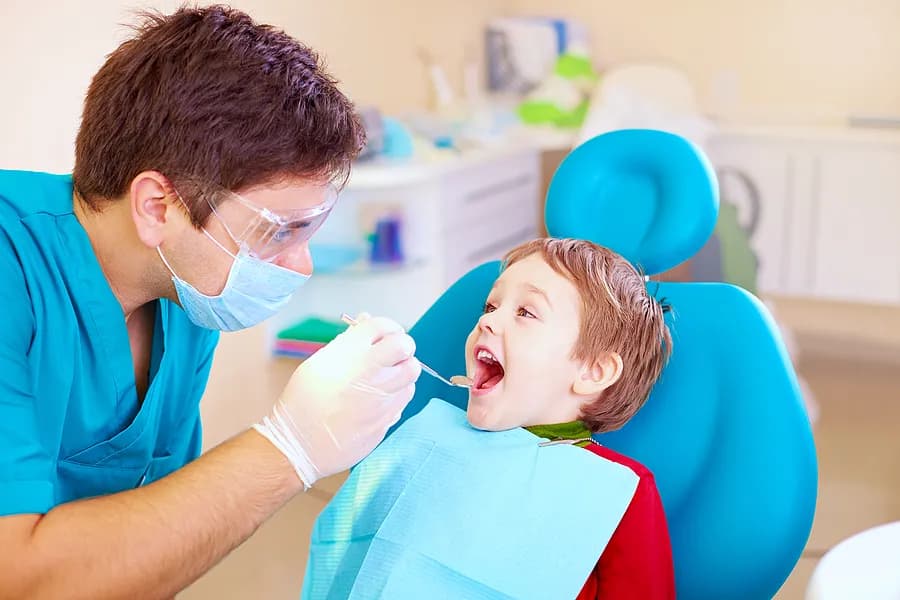
The first dental visit should happen by your child's first birthday. Here is why early appointments matter, what myths to ignore, and how to make that first visit a happy one.
Strong dental health underpins nearly everything in a child's day: eating comfortably, speaking clearly, and smiling without hesitation around friends and classmates.
When oral hygiene slips, the consequences ripple outward. Cavities bring pain, sometimes infection, and a hurting tooth makes it hard for a child to concentrate at school or enjoy playtime.
The encouraging flip side is that habits formed in early childhood tend to stick. A child who learns to brush, floss, and see the dentist regularly grows into an adult who does the same without thinking twice.
Gum health matters from the start as well; neglected gums can create complications that affect a child's physical comfort and emotional confidence as they develop.
The Right Age for a First Dental Visit
According to the American Academy of Pediatrics, children should have their first dental appointment by age one. That may sound early, but this initial visit sets the pattern for everything that follows.
A baby with only a couple of teeth still benefits: the dentist can spot budding problems while they are trivially easy to address, heading off cavities and other trouble before it starts.
From there, the rhythm is a checkup every six months. These regular visits let the dentist follow tooth eruption and jaw growth while delivering preventive care along the way.
And if something looks or feels off between visits, whether a discolored spot or a complaint of soreness, do not wait for the next scheduled appointment.
What Early Visits Accomplish
Starting dental care early builds the base for a lifetime of healthy teeth. Problems get flagged while they are still minor, and small fixes now mean fewer big procedures later.
Checkups catch decay, alignment concerns, and developmental issues at the most treatable stage, which protects both your child and your wallet.
There is a psychological benefit that is easy to underestimate: children who grow up visiting the dentist see it as ordinary. That comfort inoculates them against the dental anxiety so many adults carry.
Each visit also comes with personalized coaching, from brushing technique suited to your child's age to food choices that keep enamel strong.
Responsibility grows from these visits too; kids learn early that taking care of their own health is part of growing up. And positive experiences with the dentist tend to generalize into a healthy, trusting attitude toward healthcare in general.
Myths About Kids' Teeth Worth Retiring
"Baby teeth do not matter because they fall out anyway." This one causes real harm. Primary teeth reserve the space permanent teeth need and guide them into position; losing them early to decay creates problems that last.
"Kids do not need the dentist until they are older." In truth, waiting means missing the window when habits form and prevention is easiest.
"Fluoride is dangerous for children." Used in appropriate amounts, fluoride is one of the best tools we have for hardening enamel and stopping cavities.
"Only sugar causes cavities." Sugar is a major player, but acids from many foods and drinks erode enamel too, so overall diet matters more than any single ingredient.
Setting Up a Great First Visit
A little groundwork makes the first appointment go smoothly. Frame it positively in advance, using simple words and treating it like a small adventure.
Storybooks and videos where beloved characters visit the dentist are wonderful normalizers.
Pack a comfort object, a favorite stuffed animal or blanket, for reassurance in a new setting.
Try playing dentist together at home, trading roles between doctor and patient; the familiarity takes the edge off completely.
Finally, book the appointment for a time of day when your child is typically rested and cheerful. A well-timed visit starts everything off on the right foot.
Conclusion
Your child's dental health is inseparable from their overall well-being, and early pediatric dental visits build the foundation for lifelong healthy habits. Knowing when to book that first appointment, and why it matters, lets you act with confidence.
Plenty of parents are surprised to learn the first visit belongs on the calendar by the first birthday, or within six months of the first tooth. That early start means anything unusual gets caught when treatment is simplest and least stressful for everyone.
The payoff of early care is broad: fewer cavities, less anxiety, and a genuinely positive relationship with dental visits. Letting go of the common myths around kids' teeth makes those appointments even more productive.
Getting ready for the first visit can be genuinely fun, with dentist-themed books and pretend play turning nerves into anticipation.
The best time to invest in your child's smile is right now. Choosing attentive pediatric dental care today means healthy habits, and healthy teeth, for all the years ahead.