
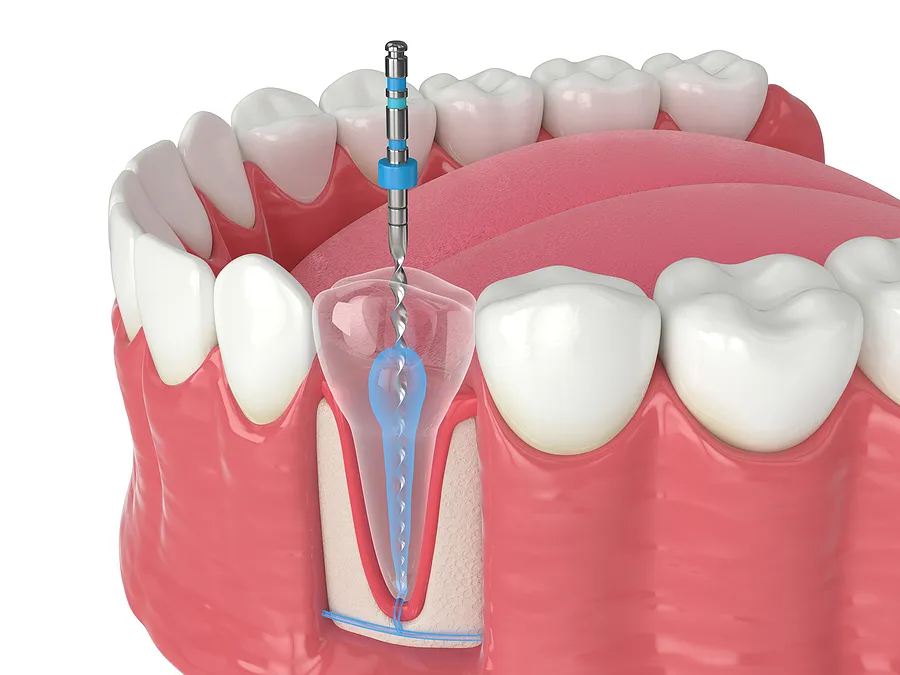
Endodontics is the specialty devoted to rescuing natural teeth from pulp infection. See the warning signs, how root canal treatment works, and the technology behind modern care.
Endodontics is the dental specialty concerned with what happens inside the tooth, specifically the pulp: the living core of nerves, blood vessels, and connective tissue. Its signature treatment is root canal therapy, in which diseased or injured pulp is removed, the tooth's interior is thoroughly cleaned, and the space is sealed to guard against reinfection. Endodontists complete years of additional training and work with sophisticated tools that make treatment precise and surprisingly comfortable.
When to Suspect You Need Endodontic Care
Catching pulp problems early spares you pain and more invasive treatment. Watch for these red flags:
- A tooth that aches whenever you bite or chew
- Hot or cold sensitivity that lingers long after the trigger is gone
- Puffy, tender gum tissue around one particular tooth
- A tooth turning gray or noticeably darker than its neighbors
- A small bump on the gum that resembles a pimple, often the sign of an abscess
The Value of Endodontic Treatment
What makes this specialty so important comes down to a few core benefits:
- Keeping your tooth: root canal therapy lets you retain the natural tooth, preserving normal chewing and sparing you replacement treatment
- Ending the pain: clearing the infected pulp removes the source of the ache, not just the symptom
- Stopping the spread: treating pulp infection promptly heads off abscesses, jawbone damage, and infection traveling elsewhere in the body
- Protecting your smile: a saved natural tooth means no visible gap and no compromise to your appearance
What Happens During a Root Canal
Thanks to modern methods, the procedure is far gentler than its reputation:
- Evaluation: X-rays reveal the extent of the damage, and local anesthesia numbs the area completely
- Cleaning out the infection: through a small opening, the diseased pulp is removed and the canals are disinfected
- Sealing: the cleaned chamber is filled with biocompatible material and closed with a temporary filling
- Final restoration: in most cases a crown is placed afterward to protect the tooth and return full function
Technology Behind Modern Endodontics
Today's endodontic care draws on tools that improve both results and the patient experience:
- Digital radiography and 3D imaging deliver detailed views for pinpoint diagnosis
- Operating microscopes magnify the treatment field, raising procedural precision
- Dental lasers offer a minimally invasive way to clean and sterilize the pulp space
- Sedation choices keep even anxious patients relaxed throughout treatment
Caring for Your Tooth Afterward
Recovery goes smoothly when you hold up your end:
- Keep brushing and flossing on your normal schedule
- Stick to the eating and care guidance your dentist provides
- Show up for follow-up visits so healing can be confirmed
- Skip hard, crunchy, and sticky foods until your permanent restoration is placed
Conclusion
Endodontics sits at the heart of tooth-preserving dentistry, turning teeth that once would have been extracted into teeth that last for years. With expert care available in both New York and Roslyn, NY, patients can count on precise, comfortable treatment and lasting relief.