
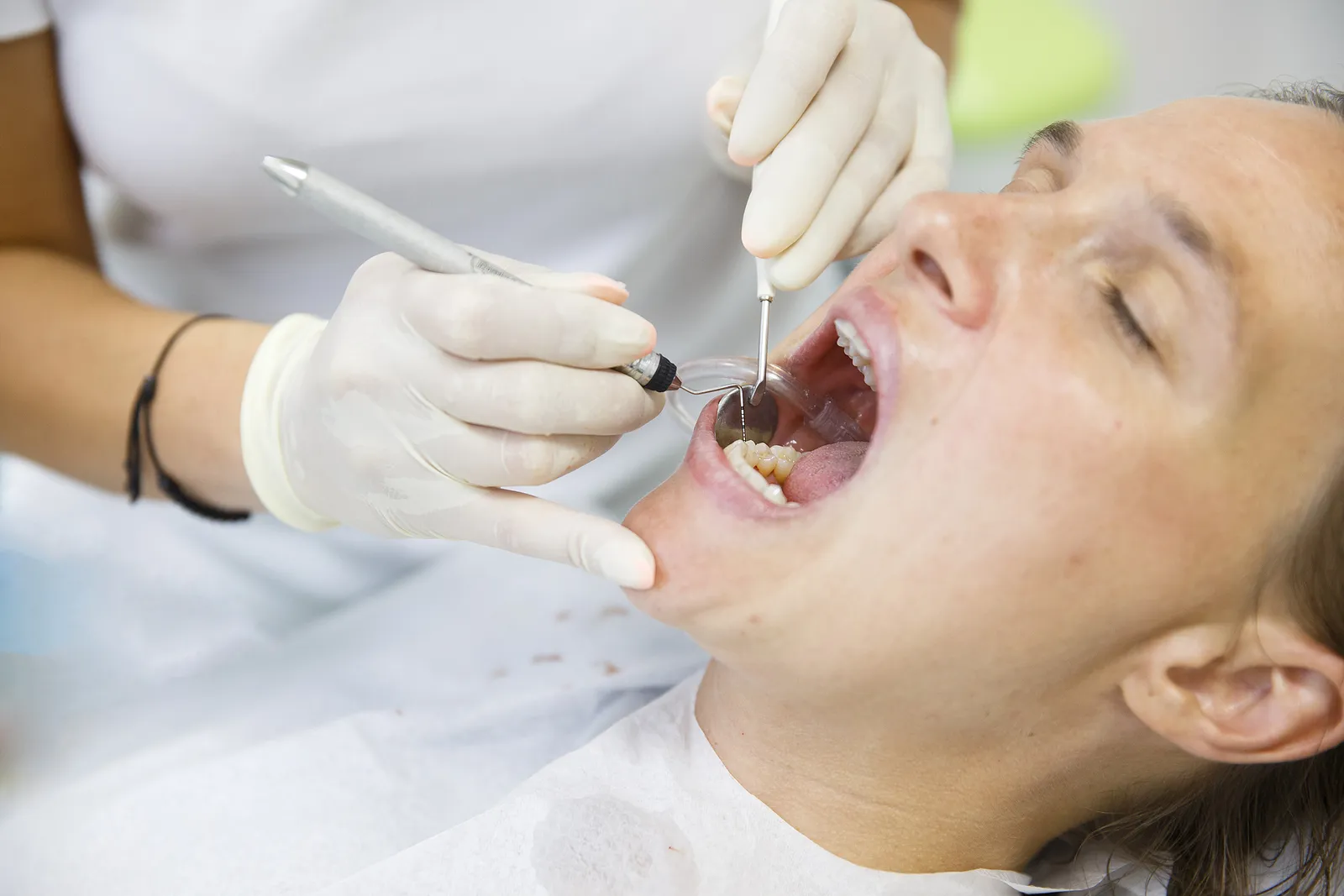
Mild soreness after a root canal is expected, but some symptoms deserve a call to your dentist. Here is what normal healing looks like and which warning signs to watch for.
Root Canals in a Nutshell
A root canal becomes necessary when infection or trauma reaches the pulp, the soft core of the tooth that houses its nerves, blood vessels, and connective tissue. Once decay penetrates that deep, the result is often intense pain, and without treatment the problem only spreads. The procedure clears out the diseased tissue while keeping the outer tooth intact.
Your dentist numbs the tooth, opens a small access point through the crown, and removes the infected pulp. The interior is then cleaned, disinfected, and sealed. Thanks to today's techniques, most patients say the visit feels about the same as having a cavity filled.
How the Treatment Works
The appointment starts with an exam and X-rays so the dentist can see how far the damage goes. Once the area is numb, a small opening is made in the top of the tooth to reach the pulp chamber. Fine instruments clear away the damaged tissue, and the canals are disinfected until no bacteria remain.
Gutta-percha, a rubber-like biocompatible material, then fills the cleaned canals and seals them against reinfection. A temporary filling covers the opening until your permanent restoration is placed.
What Is Normal Afterward
Some tenderness or sensitivity in the first days is expected, and over-the-counter pain medication usually keeps it well controlled. Mild puffiness in the nearby gum tissue is also common and fades within a few days; sleeping with your head propped up can help. You may notice lingering numbness for a few hours while the anesthetic wears off.
What is not normal: a constant throbbing ache or a fever. Either can signal infection and deserves a prompt call to your dentist.
Red Flags That Need Attention
Contact your dental office right away if you notice intense pain that medication cannot touch, swelling that keeps spreading, any discharge near the treated tooth, or trouble opening your jaw. A fever after treatment also calls for a prompt evaluation so a developing complication can be stopped early.
Helping Yourself Heal
Stick closely to the instructions your dentist sends home with you. Choose gentle foods such as smoothies and yogurt for the first day or two, take pain relievers as directed, and give your body real rest. Keep an eye on how the tooth feels, and reach out to your provider if anything seems off.
Follow-Up Visits
Plan on a checkup within a few weeks so your dentist can confirm the tooth is healing cleanly and rule out infection. In the meantime, brush and floss gently around the treated tooth and steer clear of hard, crunchy foods that could stress it before it is fully restored.